Practitioners made it perfect – Immigrant Settlement in Canada

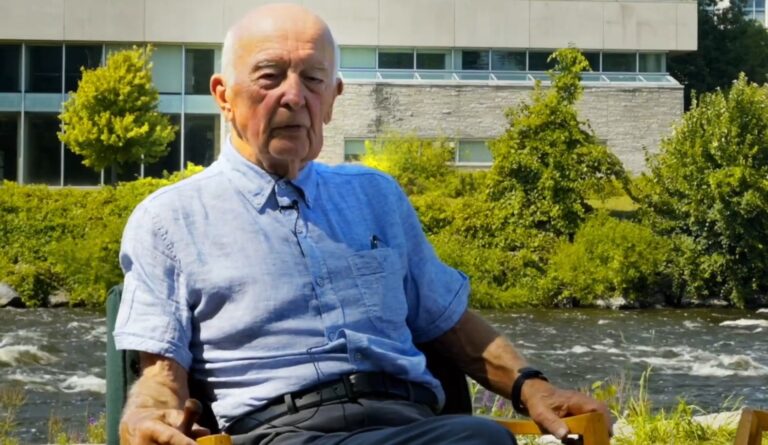
Photo: Murray Mosher
This project presents a series of interviews conducted with professionals who helped transform the delivery of settlement services to newly arrived immigrants to Canada. They have worked in various facets of Canada’s immigration system and, in many instances, had to fill a policy void with practical measures to ensure the effective integration of newcomers into the social and economic mainstream.
From 2021 to 2023, the CIHS engaged with individuals whose experiences, expertise, and personal stories contribute to a deeper understanding of the complexities of immigration policy, support, and settlement processes. These interviews reflect the diversity of roles within Canada’s immigration landscape, capturing perspectives from policy developers, settlement workers, legal advisors, and others who directly influence the lives of immigrants and refugees in Canada.
Through this collection, we aim to highlight the stories of those who have dedicated their careers to shaping Canada’s settlement system, providing a unique lens into the challenges, achievements, and ongoing evolution of immigration practices in the country.
In 1966, the government actually abandoned the provision of services by dedicated settlement staff. They believed that storefront employment services bureaux could meet the needs of newcomers that they could expect to receive from government agencies to get them on their feet. Government was wrong. Just as immigration flows were changing dramatically to bring people from countries whose societies and cultures were vastly different from those they would encounter in Canada—and who needed more help, not less—the Department created a void, leaving new arrivals to fend for themselves.
Without direction from senior management, immigration staff, and civil society—who were on the front line of encounter with these newcomers—had to use their creative energies, their links to the nongovernmental sector, and common sense to respond to human need as they saw it—and, in so doing, filled the void. This project shares the voices of some who dealt with the issue firsthand. Through their stories, we seek to create a more comprehensive public understanding of the human element that shaped the policy and its impacts on both individuals and communities.
These interviews not only serve as a valuable resource for researchers, policymakers, and advocates, but also offer a rare opportunity to gain insight into the personal and professional experiences of those at the forefront of immigration in Canada. We invite you to explore these interviews and reflect on the significant contributions these individuals have made to one of the most dynamic and important areas of Canadian society.